Partner Schools

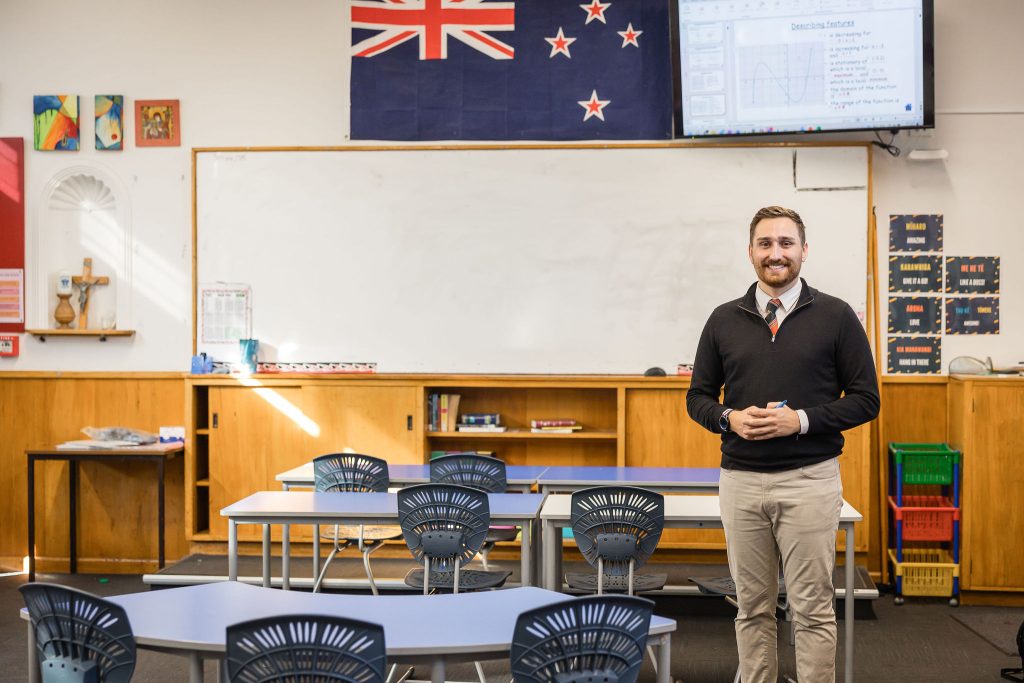
Schools play a vital part in preparing future teachers. Your classroom expertise, mentoring and knowledge of your community help student teachers connect their learning with the daily work of teaching.

Our Partners
Partner Schools

Get more information

He kōrero anō

Have a question about admissions, courses, fees, or campus life? We’re here to help. Fill in the form below and a member of our team will get back to you as soon as possible. Whether you’re a prospective student or a current enrollee, we welcome all enquiries and look forward to supporting your educational journey.

Your Future Starts Here

To begin your application process to study at Laidlaw simply create an account in our student portal and begin your application. 

Working together

Qualifications, delivered through many communities.

Thank you for considering a partnership with Laidlaw College. Laidlaw College offers qualifications in teacher education, counselling and theology. Christian thought and theology inform our approach to teacher education, including our emphasis on relationships, reflection and service. We welcome students from a wide range of backgrounds and prepare teachers for diverse school
communities.

Our student teachers undertake placements in state, state-integrated, independent, Christian and other
special character schools. They are expected to respect the host school’s culture, policies, special character

and community, and to work professionally within that setting.


Our teacher education programmes

Our programmes combine taught learning with supported practice in schools. Student teachers develop their
ability to understand learners, plan and teach, assess progress, respond to feedback and exercise professional

judgement

What progression means for a host school

Bachelor of Education Primary

Across five placements, student teachers move from guided participation to intentional pedagogical design,
sustained responsive teaching, inquiry and readiness for the profession.

Placement

Theme or topic

What the student is developing

How the school can support

Practicum 1
20 days | 15 credits

Guided participation and emerging teacher identity

Professional, ethical and culturally respectful
conduct; positive relationships; classroom routines;
and short, supported learning experiences for individuals or small groups. Students reflect using feedback and the Standards.

Welcome the student into classroom life; model professional and culturally responsive
practice; discuss learners and routines;
provide guided opportunities to assist, plan and teach.

Practicum 2
20 days | 15 credits

Intentional pedagogical
design

Share curriculum and learner information; support connected planning and teaching; make formative assessment visible; discuss adaptations, feedback and next teaching decisions.

Designing and teaching coherent curriculum-aligned lesson sequences. Students use formative assessment and feedback, adapt for diverse learners, and evaluate their teaching using classroom evidence and professional feedback.

Practicum 3
20 days | 15 credits

Sustained and responsive
classroom practice

Taking increasing responsibility for teaching over extended periods. Students adapt instruction using assessment evidence, maintain inclusive and learning-focused environments, support wellbeing, and collaborate with colleagues and whānau.

Enable increasing responsibility; support classroom management and adaptive teaching; include the student in professional conversations; give regular evidence-based feedback.

Practicum 4
30 days | 30 credits

Teaching as inquiry

Analysing learners, the learning environment and
context; designing responsive strategies; using
assessment evidence to evaluate impact; and adapting teaching to promote belonging, participation and wellbeing.

Support an initial immersion and analysis phase; help identify a learner need or challenge; enable inquiry informed teaching; discuss evidence, impact and responsive next steps.

Practicum 5
30 days | 30 credits

Professional responsibility
and readiness to teach

Sustained responsibility for planning, teaching and assessment; inclusive environments; learner progress; collaboration; professional judgement; reflective practice; and enactment of Te Tiriti partnership in the local context.

Provide extended responsibility; include the student in assessment and professional collaboration; discuss learner progress, ethical decisions and local context; give evidence- based feedback on readiness.

The progression is developmental. The Associate Teacher and student agree the pace and scope of
responsibility in response to learners, the school context and demonstrated capability.

The two 40-day professional practice placements form a clear progression from supported, inquiry-focused
practice to sustained professional responsibility and readiness to enter teaching.

Placement

Theme or topic

What the student is developing

How the school can support

Professional Practice 1

Knowing learners, context
and responsive teaching

Professional immersion through observation and
analysis of learners, the learning environment and

contextual factors. Students progressively plan and

teach supported learning experiences, use

assessment evidence, develop inclusive and

culturally responsive practice, and inquire into the

impact of their teaching.

Provide access to suitable classes and learner
information; support subject-specific planning

and teaching; discuss curriculum progression

and assessment; offer regular feedback as

responsibility increases.

Professional Practice 2

Sustained teaching,
professional judgement and
readiness

Extended responsibility for coherent planning,
teaching and assessment. Students maintain

inclusive learning environments, adapt to learner

needs, work with colleagues and whānau, enact Te

Tiriti partnership in local context, and evaluate

evidence of learner engagement and progress.

Enable sustained responsibility across
appropriate classes; discuss assessment and

next teaching steps; include the student in

professional collaboration; provide evidence-

based feedback on consistency, judgement

and readiness.

The practicum placements progress

Students are not expected to begin a placement at its endpoint. Teaching responsibility develops through observation, co-planning, supported practice, feedback and evidence of capability. The pace may vary with the learners, timetable, school context and the student’s development. Associate Teachers and subject mentors work with the student to identify appropriate opportunities, while retaining responsibility for learner wellbeing and the classroom programme.

A shared focus across every placement

Across both programmes, student teachers are expected to build respectful professional relationships, know their learners, plan purposefully, teach inclusively, use assessment information, respond to feedback, reflect on impact, meet professional responsibilities and enact commitments to Te Tiriti o Waitangi. The relevant practicum booklet provides the detailed expectations for each placement.

What hosting a student teacher involves

Hosting gives student teachers opportunities to learn from experienced teachers, develop their classroom practice and contribute to school life. The nature of their involvement varies with their programme stage, developing confidence and the school context.

Mentoring and teaching opportunities

Student teachers usually work alongside an Associate Teacher (AT), or subject mentors in secondary settings. Everyday classroom experiences and professional conversations help students connect their study with practice. Teaching opportunities are shaped through discussion with the school and reflect the student’s stage of development.

Students prepare planning as part of their practicum learning and share it with their AT before teaching. Conversations about planning help them understand the school’s approaches and respond to learners. The relevant practicum booklet provides further information for students and mentors.

Laidlaw’s taught courses develop the knowledge and approaches students bring to placement. Practicum provides opportunities to apply, examine and refine that learning with guidance.

Becoming familiar with the school’s people, routines and culture helps students settle into the placement. This includes understanding how the school approaches learner wellbeing, behaviour, inclusion, privacy and safety. Arrival and orientation arrangements are discussed before the placement begins.

Arranging and confirming a placement

We arrange placements in consultation with schools. Schools can indicate the year levels, subjects, dates and number of student teachers they are able to support. An indication of capacity starts the conversation; individual placements are confirmed after matching.

Before the placement

Laidlaw shares the proposed placement windows and seeks school availability. We consider programme requirements, suitable learning opportunities, the student’s stage and the school’s mentoring capacity when proposing a match.


Class or subject allocations and mentoring arrangements are discussed as part of confirming a placement.
Laidlaw also considers any relevant conflicts of interest or changes affecting the proposed match.

Laidlaw shares the student’s introduction and the relevant practicum booklet. The booklet outlines the programme stage, teaching focus, reporting arrangements and contact details. The practicum team is available for further guidance.

Students make contact with the school before starting. This provides an opportunity to discuss arrival details, become familiar with the setting and clarify any preparation that would be helpful.

Communication between the school, student and Laidlaw helps everyone stay informed about how the placement is progressing. The relevant practicum booklet explains attendance confirmation, reporting and payment arrangements. School feedback is welcomed during and after the placement.

People involved in the placement

School placements bring together the expertise of the school, the student’s developing practice and Laidlaw’s teacher education team. Named contacts are supplied with the relevant practicum booklet.

Partner

Role in the Placement

School leader or liaison

The school’s point of connection with Laidlaw for placement arrangements and communication.

Associate Teacher

An experienced teacher who shares classroom practice and professional perspectives and contributes feedback on the student’s development.

Student Teacher

A developing teacher who brings learning from their programme, participates professionally and reflects on classroom experience and feedback.

Visiting Lecturer

A Laidlaw lecturer who visits the placement, discusses student progress and contributes to assessment and communication with the school.

Laidlaw practicum team

The team that coordinates placements, provides information and advice, and manages practicum assessment and administration.

Laidlaw support for schools

Laidlaw supplies the relevant practicum booklet and guidance for schools and students. The practicum team is available to answer questions about arrangements, reporting access and student progress. ATs are welcome to contact the team at any point during the placement.

Professional participation

Students are expected to be punctual, prepared, respectful and receptive to feedback. They should protect confidential information, communicate professionally and participate in the wider life of the school as agreed with their mentor.

Supporting and assessing progress

Progress is considered through classroom practice, professional conversations, planning, assessment evidence and reflection. Expectations are appropriate to the student’s stage and are explained in the relevant practicum booklet and assessment descriptors.

Regular mentoring feedback

Feedback and professional conversations help students recognise strengths and identify areas for development. Classroom observations can provide useful opportunities to reflect on teaching and learning. Further information about feedback and reporting is included in the relevant practicum booklet.

A progress review provides an opportunity to discuss how the placement is going, recognise development and identify any questions or areas for further learning. The arrangements for each placement are outlined in the relevant practicum booklet.

The VL visit brings together the student, AT and Laidlaw perspective. It includes observation of teaching and discussion of relevant planning, learner progress, reflection and professional practice. The conversation identifies strengths, areas for development and agreed next steps.


Visiting Lecturer arrangements are confirmed in the relevant practicum booklet. The VL and practicum team
remain available for questions and discussion throughout the placement.  Evidence from a visit is considered alongside the student’s wider progress.

The final AT report contributes a school-based perspective on the student’s development against the placement expectations. Laidlaw considers this alongside VL evidence, attendance and assessed practicum work when making assessment decisions.
Where perspectives differ, Laidlaw discusses the evidence with those involved and clarifies any questions
before confirming the practicum decision.

Open communication helps the school, student and Laidlaw develop a shared understanding of progress. Conversations during the placement provide context for the final report and help identify areas where further guidance may be useful.

Advice and support during a placement

Questions sometimes arise about a student’s preparation, teaching, professional participation, attendance or wellbeing. The VL and practicum team are available to discuss these with schools and consider appropriate next steps together.

Discussing questions or concerns

Laidlaw works with the school and student to understand the situation and consider what would be helpful. Any further arrangements are discussed in relation to the student’s needs and the school context. Schools can seek advice at any stage.

The school’s safeguarding and emergency procedures remain the basis for responding to immediate safety concerns. The Practicum Lead is the contact for serious concerns affecting a placement, and Laidlaw works with the school to discuss further arrangements.

Illness, personal circumstances or access needs can affect a student’s placement experience. Laidlaw can discuss available support and any implications for the placement with the student and school. Sensitive information is handled with care and shared only where relevant to supporting the placement.

Practical information

Attendance and absences
Attendance forms part of each student’s practicum requirements. Students are expected to attend the

scheduled days, follow the school’s agreed hours and communicate promptly with the school and Laidlaw

about any absence.


The relevant practicum booklet explains attendance confirmation and absence arrangements. Where make-up

days or changes are needed, these are discussed with Laidlaw and the school.


Confidentiality and classroom evidence

Student teachers follow the school’s privacy and digital policies. Practicum work uses anonymised learner
information, and any photographs, recordings or identifiable work are subject to the relevant permissions. The relevant practicum booklet explains how students can gather appropriate evidence of their learning.


Associate Teacher and liaison payments

Associate Teacher and liaison payments are as reflected in the applicable collective agreement. Information
about submission and processing arrangements is provided in the relevant practicum booklet.


Offering a placement

We welcome enquiries from schools interested in hosting. A conversation about possible year levels, subjects,
placement periods and school capacity helps us explore a suitable partnership. Schools are also welcome to suggest a convenient time for us to reconnect.

Thank you for investing in the development of future teachers. We value the expertise of our school partners and look forward to working with you.

Enquiry

Contact

Practicum partnerships and support

Yvonne Burrows, Practicum Lead

Schools Onsite Training Programme

Yvonne Burrows

  • Practicum Lead | Auckland
  • DipTchg, BEd, MEd, CELTA, PGDipEd(ECE), NZCTISLD, NZCATT

Yvonne Burrows is an Education Lecturer and Practicum Lead in Laidlaw College’s School of Education. She has taught across a range of courses within the BEd programme. She brings experience in preschool and primary education, school leadership and teacher formation. In her teaching and practicum work, she helps student teachers...